In modern supply chains, vision systems have become foundational. From high-speed optical inspection on packaging lines to barcode and serialization checks at distribution points, these systems are exceptionally effective at confirming what can be seen: labels, seals, print quality, and package integrity.
They are fast, scalable, and deeply embedded across industries like pharmaceuticals, medical devices, and high-value manufacturing.
However, they were designed to validate the outside of a product, not what is inside.
The Difference Between Verification and Validation
It helps to separate two ideas that are often treated as interchangeable:
- External verification: Confirming that packaging, labeling, and identifiers match expected specifications
- Internal validation: Confirming that the contents inside the package are correct, intact, and uncompromised
Most current systems are designed for verification. Very few address validation at the content level.
This is where a new category is emerging: content-level validation. Not as a replacement for existing systems, but as a necessary extension of them.
In regulated environments, that distinction matters.
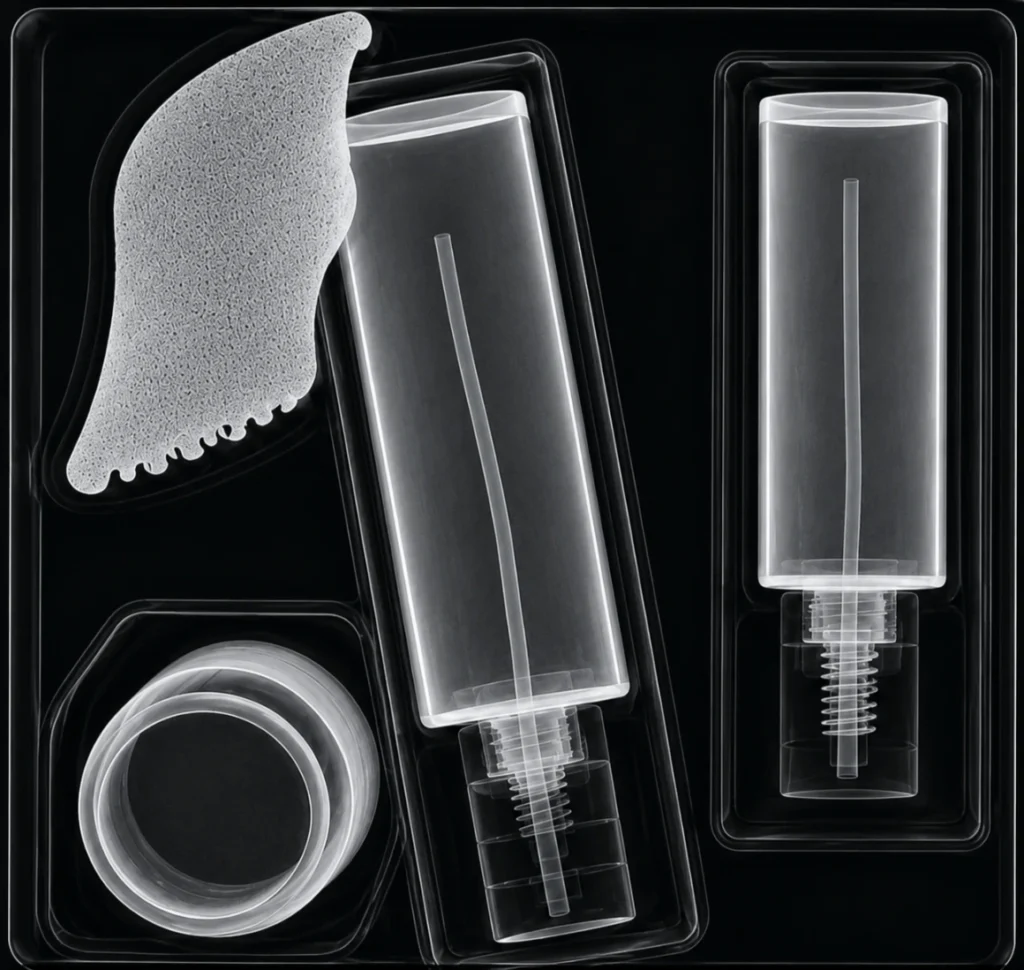
A product can pass every external check and still be incorrect internally due to manufacturing error, contamination, component substitution, or damage that is not visible from the outside. Even low-frequency discrepancies become operationally meaningful at scale.
A pharmaceutical distributor moving one million units per month at a 0.1% internal defect rate that passes external inspection ships roughly 1,000 non-conforming units before the first quality complaint arrives.
At that scale, a fraction of a percent is not a rounding error. It is a material risk event waiting to be discovered downstream.
The direct cost of a Class I pharmaceutical recall can reach into the tens of millions of dollars before accounting for remediation, legal exposure, reputational damage, and distribution disruption.
This reflects a limitation of scope, not a failure of existing systems.
Why the Gap Is Becoming Material
For years, external verification has been sufficient to support quality and compliance. That is changing.
Supply chains are more complex. Product variation has increased. Regulatory expectations continue to evolve. The cost of failure, both financially and reputationally, is significantly higher.
At the same time, organizations have made significant investments in serialization, track-and-trace, and automated inspection. These systems establish a strong digital and visual identity for every product.
They do not confirm whether the physical contents match that identity.
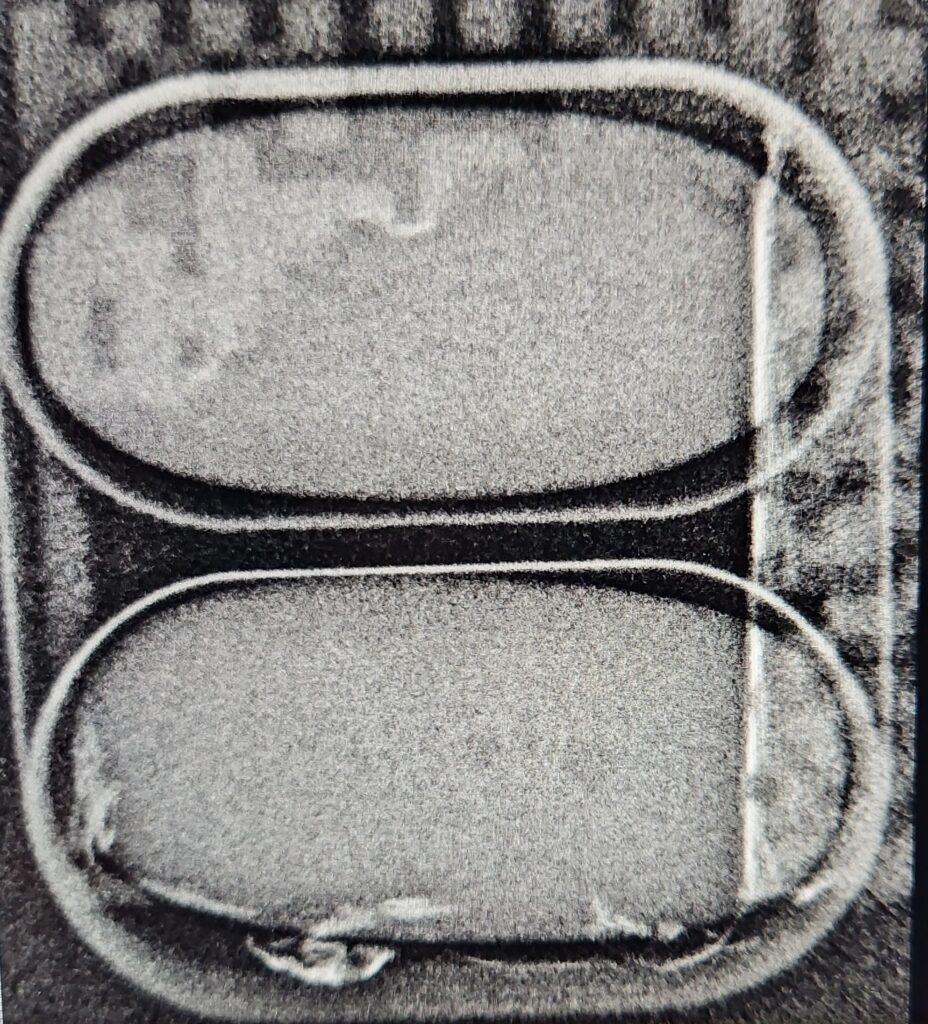
Consider a sealed pharmaceutical blister pack moving through a distribution center. The barcode is correct. The packaging appears intact. The product clears every checkpoint designed for supply chain verification.
Inside, one cavity is empty due to a manufacturing defect.
From an external perspective, the product passes inspection. From a product integrity perspective, it does not.
The Role of Vision Systems in a Complete Verification Framework
This is not an argument against vision systems. Their role remains essential.
Vision systems provide the first layer of assurance. They establish identity, ensure consistency, and enable automation at scale. They are fundamental to throughput and operational efficiency.
What is needed now is not replacement, but extension.
A complementary layer that builds on existing infrastructure and introduces the ability to assess internal product integrity without disrupting workflow.
Introducing a Content-Level Validation Layer
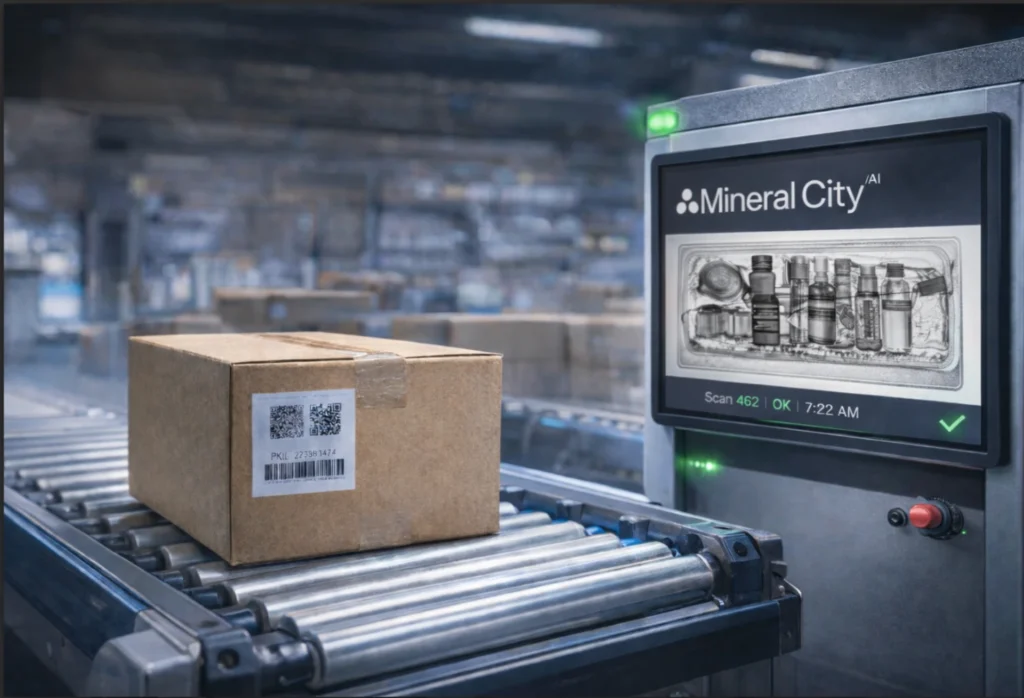
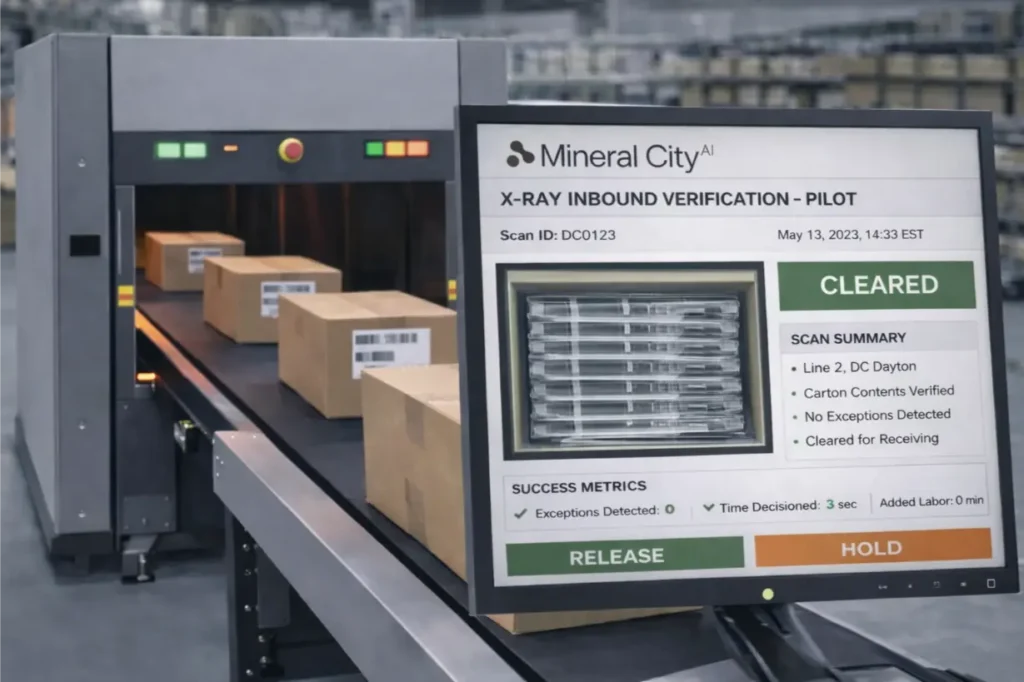
AI-powered X-ray inspection can operate at the throughput rates required by high-volume packaging and distribution environments while analyzing internal content in parallel with external vision checks, without introducing a separate inspection step or slowing the line.
The inspection itself is not new technology. X-ray systems are already deployed across regulated pharmaceutical, food, and device manufacturing environments for safety and compliance purposes.
What has changed is the interpretation layer: the ability to compare what the X-ray captures against a defined content baseline, flag deviations such as missing fill, foreign objects, component misplacement, or underfills, and generate an auditable, image-backed record automatically.
For facilities already running X-ray infrastructure, implementation does not necessarily require new capital equipment. It requires the software layer that turns existing image capture into systematic, documented content verification.
By leveraging AI-powered X-ray inspection, organizations can assess what is inside a sealed package in real time without opening products or disrupting operations.
The infrastructure, in many cases, already exists. What has changed is the ability to interpret what those systems capture with consistency and precision at scale.
This creates a more complete verification framework:
- External systems confirm identity, labeling, and packaging compliance
- A content-level validation layer confirms internal integrity and completeness
Together, they provide a more comprehensive approach to supply chain verification.
The Next Layer in Product Assurance
Every major advancement in supply chain verification has followed the same pattern: new layers are introduced as complexity increases and expectations rise.
Serialization established traceability. Vision systems improved speed, automation, and consistency. The next step is validating internal integrity, not just external identity.
This shift is not about replacing existing systems. It is about extending them beyond external identity and toward internal integrity.
As supply chains become more complex and the cost of failure continues to rise, organizations will increasingly be expected not only to trace products, but to verify that products are physically correct at critical control points throughout the workflow.
External verification establishes what a product is intended to be. Content-level validation helps confirm that it actually is. That distinction will become increasingly important across regulated and high-risk industries.
For teams evaluating the next generation of supply chain verification
We share periodic insights into deployment models, operational validation strategies, and how organizations are extending verification beyond the visible layer.