How Pharmaceutical Manufacturing Has Always Reduced Uncertainty by Expanding Evidence
Pharmaceutical manufacturing has never relied on a single control to ensure product quality.
Every release decision is supported by multiple layers of evidence, each providing a different perspective on whether a product has been manufactured as intended. Validated processes, equipment qualification, environmental monitoring, in-process controls, statistical sampling, automated inspection, batch documentation, serialization, and digital quality systems all contribute to that decision. None of these systems exists in isolation. Together, they create the confidence required to manufacture safely, consistently, and at scale.
This layered approach has defined pharmaceutical manufacturing for decades.
What is often overlooked, however, is how quality systems evolve. They rarely replace existing controls. Instead, they expand the information available to the people responsible for making critical manufacturing decisions.
That distinction matters because manufacturing has always been about reducing uncertainty, not eliminating it.
Every Advancement Expanded Visibility
The history of pharmaceutical manufacturing is, in many ways, the history of improving visibility.
Manufacturers first relied on visual inspection performed by trained operators. As production became more complex, automated vision systems expanded the ability to identify external defects consistently and at scale. Serialization extended visibility beyond the manufacturing floor by strengthening traceability throughout the supply chain. Electronic batch records, manufacturing execution systems, and digital quality platforms improved access to production data while reducing manual documentation and strengthening investigation workflows.
Each advancement answered important questions.
- Was the product manufactured according to specification?
- Did it move through the appropriate process?
- Can it be traced throughout the supply chain?
- Was every required manufacturing activity documented?
Importantly, none of these technologies made the previous generation obsolete. Each contributed another layer of evidence that helped manufacturers make better-informed decisions while preserving the integrity of existing quality systems.
That progression continues today.
Confidence Is Built Through Evidence
One of the realities of pharmaceutical manufacturing is that certainty is rarely attainable.
Release decisions are not made with perfect information. They are made using validated processes, engineering judgment, inspection data, statistical confidence, and the evidence available at the time.
The objective has never been to eliminate every possible uncertainty. Rather, it has been to reduce uncertainty to a level that supports safe, consistent, and compliant manufacturing.
This is an important distinction.
Confidence is not created by any single inspection technology, quality record, or manufacturing control. It is built through multiple independent sources of evidence that reinforce one another.
Every reliable source of information strengthens the quality of the decisions that follow.
The Next Layer of Visibility
As manufacturing systems continue to evolve, organizations are gaining access to information that was previously difficult, or in some cases impractical, to obtain.
Historically, external inspection confirmed what could be observed from the outside of a finished product. Documentation confirmed how the product moved through manufacturing. Statistical sampling provided confidence that validated processes were performing as expected.
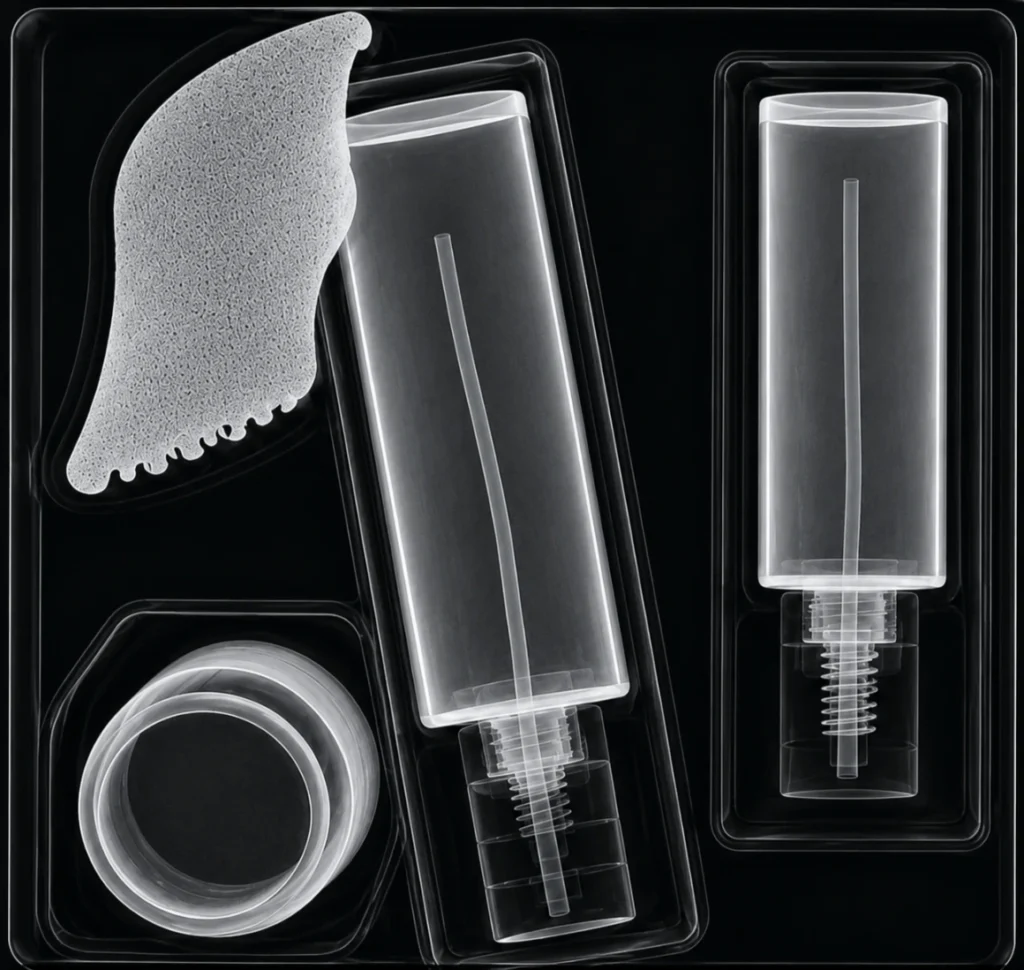
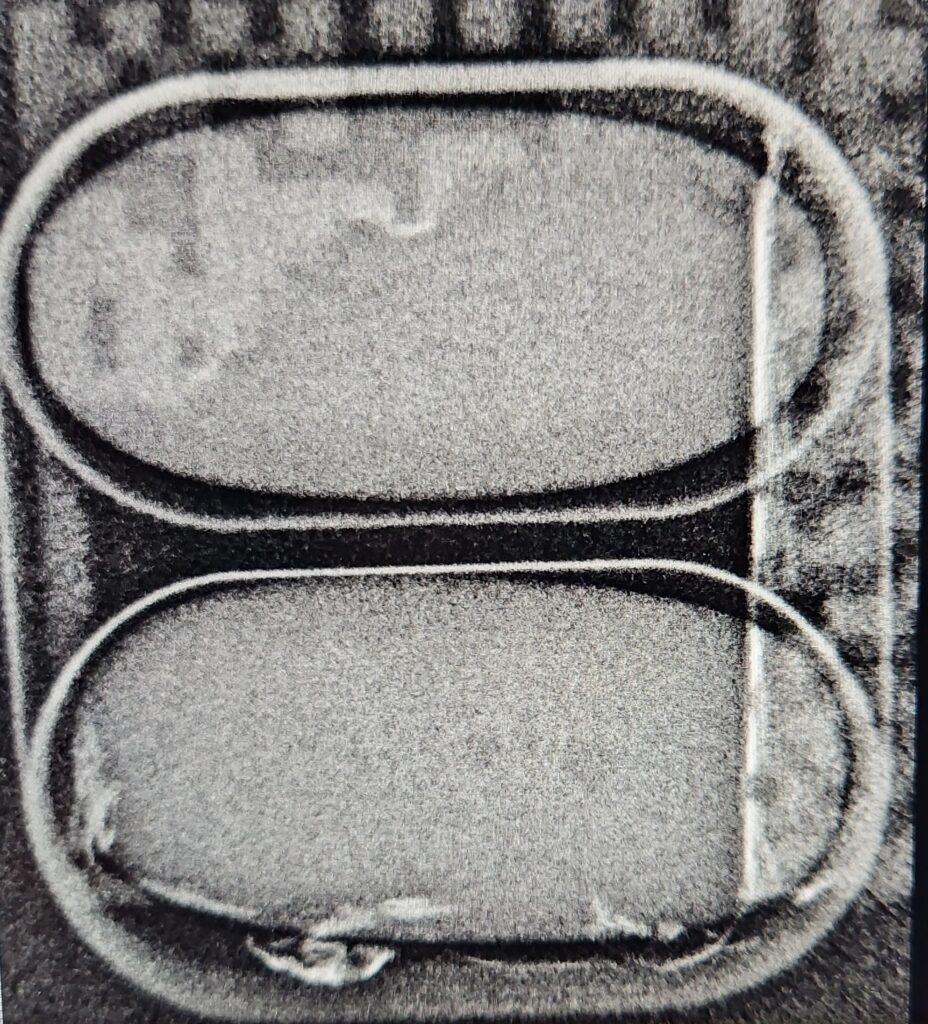
What these systems were not designed to do was directly evaluate the internal configuration of every sealed product without destructive inspection.
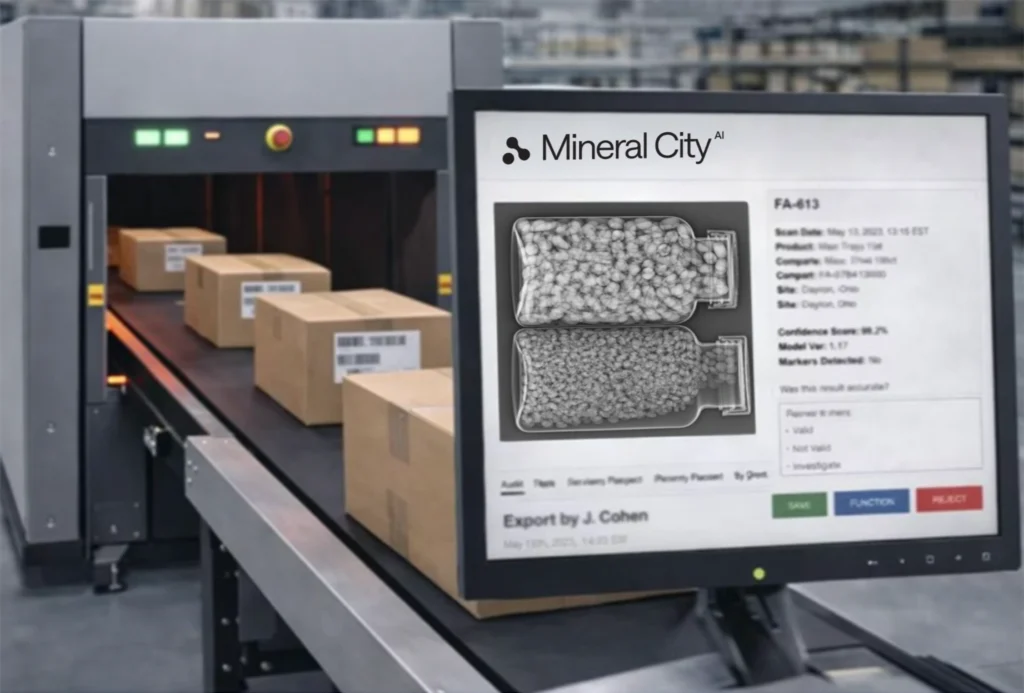
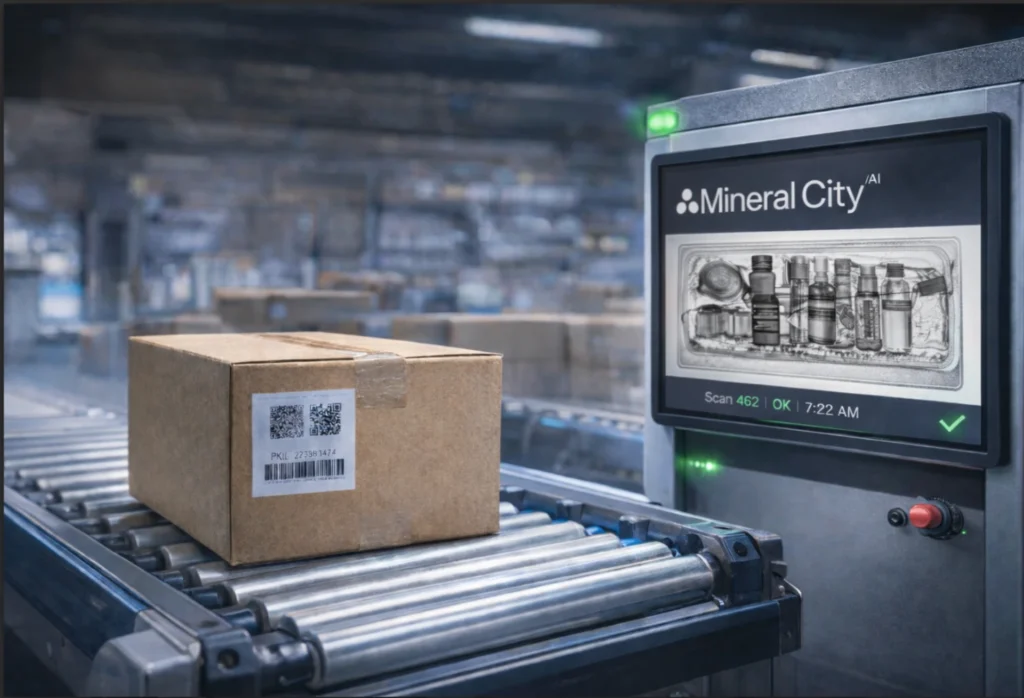
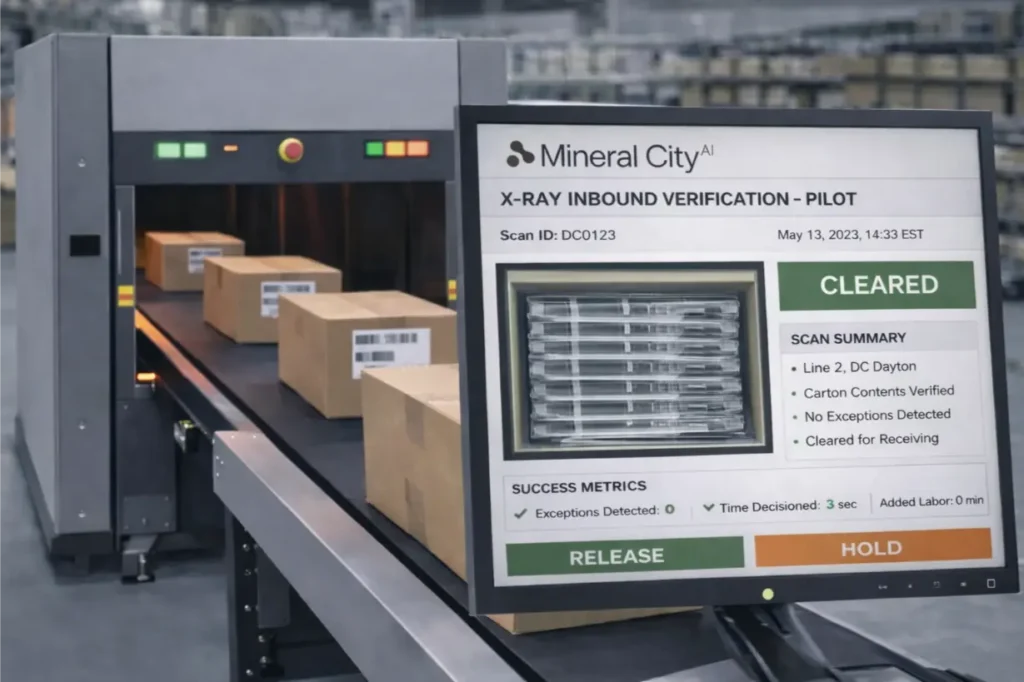
Advances in non-destructive verification now provide manufacturers with another source of evidence when understanding the physical product itself becomes important. Rather than replacing established quality systems, these technologies complement them by expanding visibility into aspects of the product that have traditionally been difficult to evaluate once packaging has been completed.
Like every meaningful advancement before it, the value is not defined by the technology itself.
It is defined by the quality of the decisions it enables.
Better Decisions, Not More Data
Manufacturing has never been about collecting more data simply because technology makes it possible.
The objective has always been to provide the right information to the right people at the right time.
Whether supporting a release decision, investigating an unexpected observation, validating a manufacturing process, or continuously improving production, the quality of those decisions depends on the evidence available.
Every meaningful advancement in manufacturing has increased visibility before increasing complexity.
That is why quality systems continue to evolve. Not because previous systems failed.
Because additional visibility allows organizations to make stronger decisions with greater confidence.
The Ongoing Evolution of Quality
Pharmaceutical manufacturing has always advanced by improving the information available to the people responsible for making quality decisions.
Validated processes, automated inspection, serialization, electronic batch records, manufacturing execution systems, and digital quality platforms were each introduced to address specific challenges. None replaced the principles that came before them. Instead, each expanded visibility and strengthened the evidence available to support manufacturing, quality, and operational decisions.
Internal product verification follows that same progression.
It is not a departure from established quality systems. It is another source of information that complements them by providing visibility into the physical product itself when that information is important to engineering, manufacturing, or quality teams.
Organizations are not simply collecting more data than they did a decade ago. They are making decisions with a broader and more complete understanding of the products they manufacture.
That progression is already underway.
The manufacturers that continue to strengthen quality will be those that thoughtfully expand the evidence available to support their decisions while building on the systems they already trust.
Because better decisions have always begun with better visibility.
Every major advancement in pharmaceutical manufacturing has expanded visibility. Better visibility leads to better evidence, and better evidence supports better decisions.